
 Sign In

Design Detail: Topstitching
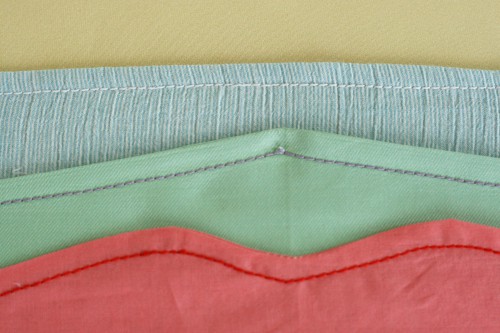
Topstitching is a fun way to add a simple detail to your clothing. Topstitching is a decorative stitch, usually a straight stitch but it can really be any type of stitch. It’s typically used on the edges of garments like hems and necklines. However, it can be used anywhere next to a seam. While you can use any thread, for maximum effect use a thicker thread such as silk or topstitching thread. These threads really show up on a garment. A stronger needle is recommended when using topstitching thread or you may be able to find a topstitching needle at your local fabric store.
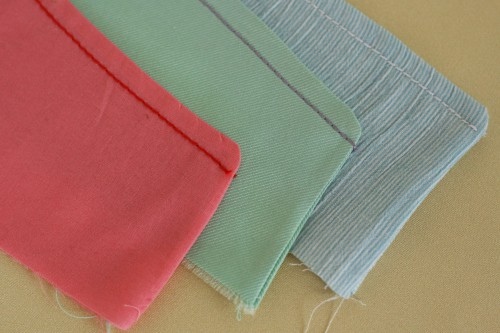
To show you how you can mix and match colors, we used the three waistbands from the new Ginger pattern. See how fun the topstitching looks in these different colors? Topstitching is usually 1/8″ to 1/4″ away from the seam line and should be sewn slowly to get the best results.
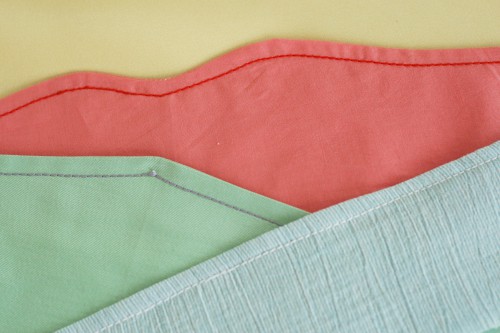
Try topstitching the waistband along the inside and even down the seams of the skirt for a slightly sporty look. Remember that when you topstitch, the seam allowance is caught under the stitching. If you give it a try, show us in the forum or in our flickr group!

Comments
MB
May 24, 2011 #
I would say the easiest way to get a top stitching look would be to do the ‘two-step’ straight stitch….with regular thread. At least this function is on my Viking…you don’t have to go out and buy Top stitching thread. Just use what you have to give you that professional finish. This kind of stitching really pops out on fabric with a solid background.
Karen
May 24, 2011 #
I tried using a heavier thread with larger needle. It looks ok on top, but the thread on the bottom is all loose and gnarled. Don’t know how to fix this problem.
Neeno
July 7, 2012 #
I have the same problem and I don’t know what I am doing wrong
Gemma
August 16, 2013 #
Hi there, I know this comment is quite old but in case you’re still wondering, or for anyone else reading with similar problems, what you’re describing sounds like it is caused by incorrect tension on your bobbin.
There is a small screw on your latch lever (the casing bit that comes out of your machine that your bobbin goes inside). It should bear near the hole that you thread your cotton through.. Righty tighty lefty loosey hehe, I would imagine you need to tighten that a little.
Hope that helps :)
Jo
May 24, 2011 #
Ooh I just love the look of the red topstitching on a pink skirt! I hope I can try this one day :)